
Spiritual healing is a practice built on the idea that energy, emotion, and physical health are connected.
You focus on shifting stuck or imbalanced energy, with the goal of supporting your overall sense of wellbeing.
Practitioners use methods like energy work, prayer, meditation, or hands-on techniques depending on their training.
Some people turn to spiritual healing during times of grief, stress, or major life transitions.
Others use it alongside their regular routine, the same way they might use meditation or journaling.
It is important to understand that spiritual healing works as a complement to medical care, not a substitute for it.
You should always keep seeing your doctor for diagnosis and treatment of physical or mental health conditions.
Think of spiritual healing as one part of a broader approach to feeling more balanced and supported.
How a Spiritual Healing Session Works
Most sessions begin with a short conversation about what you are hoping to address.
You typically stay fully clothed and either sit or lie down comfortably during the session.
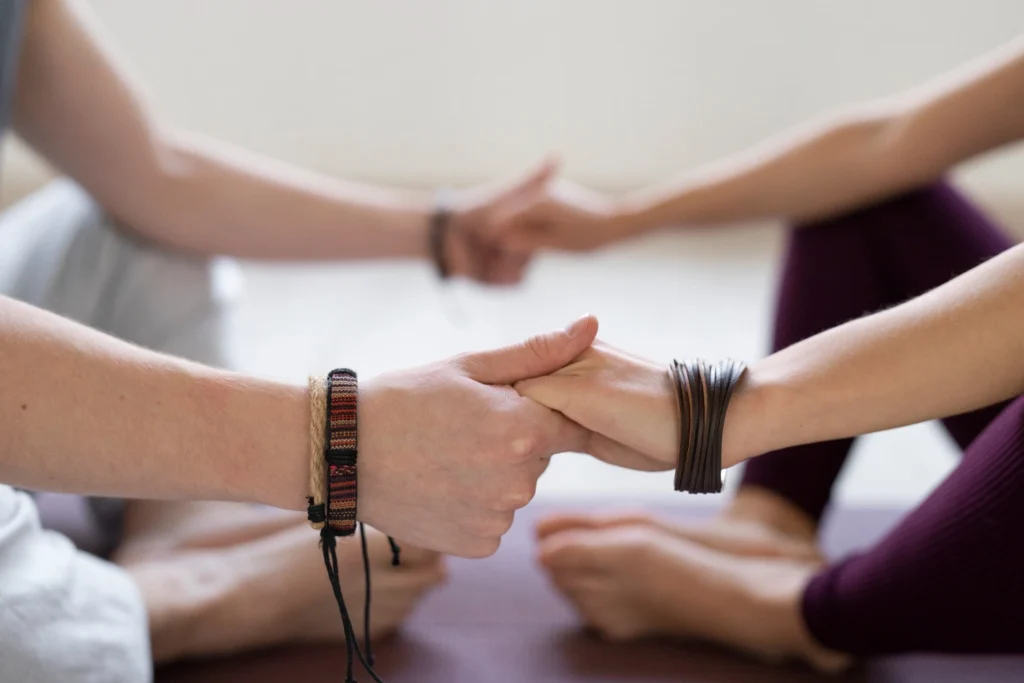
The practitioner may work with their hands near or lightly on your body, depending on the method used.
You might feel warmth, tingling, or simply a sense of calm, though experiences vary widely from person to person.
Sessions usually last between thirty minutes and an hour, and many people schedule a follow-up to track how they feel over time.

Who Might Consider Spiritual Healing
You might explore spiritual healing if you feel emotionally drained, stuck, or disconnected from your usual sense of self.
People recovering from grief, burnout, or a difficult life change often find the practice grounding.
It can also appeal to you if you already value mindfulness, meditation, or other reflective practices.
Spiritual healing is not a quick fix, and most practitioners are upfront that results build gradually over repeated sessions.
If you are curious but skeptical, a single introductory session is a low-pressure way to see whether the approach resonates with you.